
Jeff Bezos Buys Into Liverpool: What It Actually Means for the Club and Its Future


Real Madrid loanee scores first career hat-trick in stunning Lyon debut
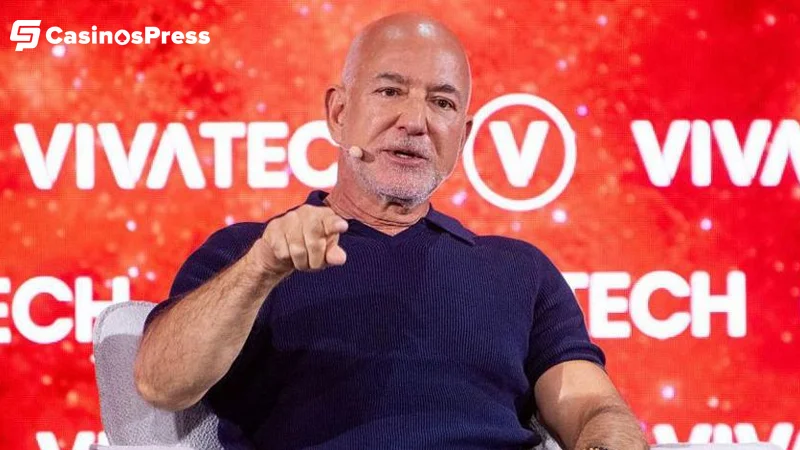
Liverpool just got a lot more interesting off the pitch. FSG has confirmed it is selling roughly a third of the club to a consortium called 1892 Holdings, which includes Jeff Bezos, Facebook co-founder Eduardo Saverin, and British-Indian businessman Amit Bhatia. The deal values Liverpool at somewhere between five and six billion pounds. Let that sink in for a moment.
From £300m to £6bn: FSG's Masterclass in Patience
When FSG bought Liverpool in 2010, the club was, in their own words, on the brink of bankruptcy. They paid £300m and pumped in over £200m more in loans over the years. Now, selling just 30% of the club brings in more than £1.5bn. That's five times the club's entire value when FSG took over. By any measure, this is one of the most profitable sports investments in modern history.
The money came from more than just winning. FSG built a new training ground, redeveloped Anfield, and grew the commercial operation into one of the most lucrative in world football. Liverpool became the top-earning Premier League club for the first time earlier this year, posting record revenues of £703m. These are numbers that attract serious investors, not trophy hunters.
FSG isn't selling because they need cash. They're selling because the consortium brings something they want, which is global reach across technology, business, and particularly Asia. That's a deliberate commercial strategy, not a distress sale.
Why Bezos Chose Liverpool Over an NFL Franchise
Bezos has been circling sports ownership for years. He was reportedly interested in the Seattle Seahawks, who sold for £7.3bn. The Washington Commanders went for £4.6bn. Both were too expensive or simply not available when he came knocking.
Buying into Liverpool gives Bezos a stake in one of the most recognisable sports brands on the planet for a fraction of what any NFL franchise would cost him. He filed to sell Amazon shares worth £3.1bn just last week. The Liverpool investment, by comparison, is practically loose change at his level.
Crucially, Bezos won't sit on the board. His investment comes through venture capital firm K5 Sports, whose founder Bryan Baum will take an Anfield board seat alongside Saverin's wife Elaine. This tells us Bezos sees Liverpool as a financial asset, not a passion project. He's backing a brand with global growth potential, especially across Asia and digital markets where Amazon already has enormous reach.
The Fan Backlash and Whether It Has Any Real Weight
Fans' group Spirit of Shankly has already raised questions about the deal. Their concerns are legitimate ones. What does the consortium actually get in return? Are these investors genuinely aligned with Liverpool's values, or is this a prestige buy dressed up in boardroom language?
The Bezos angle adds a layer of complexity that goes beyond money. Amazon's treatment of warehouse workers and its record on unions is a documented tension that doesn't sit easily alongside Liverpool's working-class identity. The club's fanbase forced FSG to back down on a ticket price rise not long ago, so there's form for supporter pressure actually working here.
The deal still requires regulatory approval, including oversight from the Independent Football Regulator. SOS has already contacted the regulator. Whether that amounts to anything meaningful remains to be seen, but Liverpool fans have shown they're not passive observers.
Our Read on What Comes Next
The transfer window angle is the one most fans will care about most, and the early signal is that this investment won't unlock a new spending pot. That's a sensible thing for the club to communicate upfront, because raising expectations only to disappoint supporters later would be a PR mess.
In the medium term, we think the bigger play here is commercial. Bezos, Saverin, and Bhatia collectively open doors in markets that FSG can't reach alone. Indian investment, Asian commercial partnerships, and technology integration are the real prize. Liverpool as a content platform, as a data business, as a global entertainment brand, that's the direction this points in.
The consortium also holds an option to increase its stake in the future. If FSG ever does want to sell a majority, these investors are already inside the tent and presumably first in line. Whether that's a good thing depends entirely on what kind of owners they turn out to be.
For now, Liverpool remains under FSG control and heading into what could be their most commercially ambitious era yet. Bezos buying in is the kind of headline that echoes far beyond football, and that's probably exactly the point.
Editorial Note: Marcus Osei
Senior football writer and tactical analyst with 12+ years covering the Premier League, Champions League, and world football. Born in Accra, raised between London and Kuala Lumpur.